







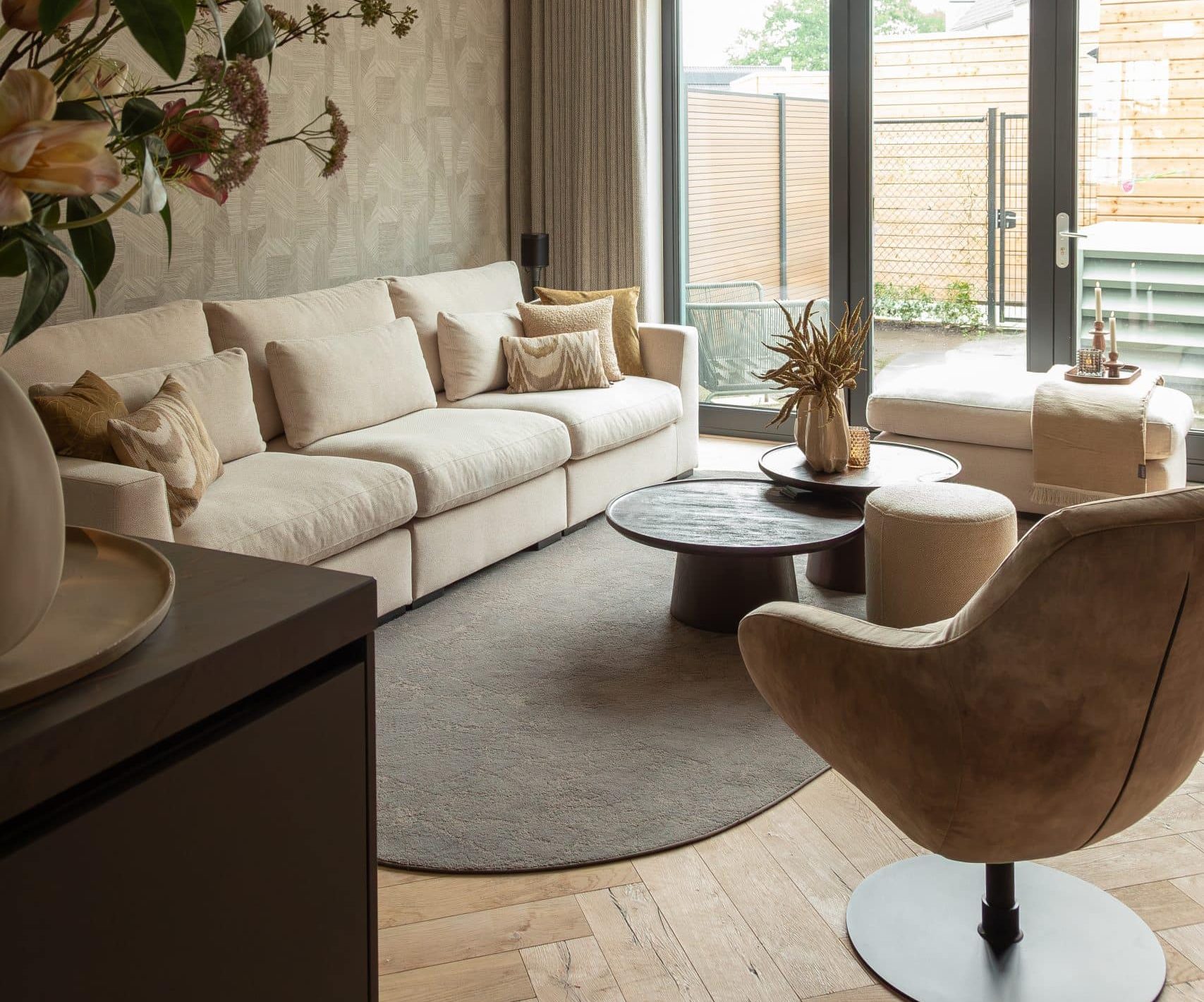
Combining an armchair with other furniture is a matter of finding a balance between functionality and style. A well-placed armchair can serve as a focal point Whether it blends seamlessly into your interior or subtly blends in with the overall look, the key lies in choosing the right proportions, colors, and materials that harmonize with your existing furniture. By considering both the spatial layout and the style elements, you create a balanced whole that not only looks beautiful but is also practical.
Why is it important to combine an armchair well?
It is important to combine an armchair well with your other furniture because it has a direct influence on the visual harmony of your living space. An armchair not only takes up physical space but also adds visual weight to your interior.
When you a armchair integrates perfectly into your interior With your other furniture, you create a sense of balance and tranquility. The eye can wander effortlessly through the space without getting caught on anything. This not only enhances aesthetics but also living comfort. A well-placed armchair invites you to sit down and contributes to the functionality of your living room.
An armchair can also serve as a statement piece. With the right combination of shape, color, and material, an armchair can add exactly the accent your interior needs to be personal and expressive. It's that finishing touch that elevates your living space from "beautiful" to "wow."
What factors should you consider when combining an armchair?
When combining an armchair with your existing interior, there are five main factors to consider: color, material, shape, size, and style. These elements together determine how your armchair relates to the rest of your furniture.
The color harmony is essential. You can opt for a tone-on-tone approach where your armchair falls in the same color family as your other furniture, or choose a contrasting color that adds an exciting accent. Also consider the colors of your walls, floor, and window treatments.
When it comes to materials, you can play with contrasts or opt for a unified look. A fabric armchair in the same texture as your sofa creates a sense of calm. Pay attention to the texture: coarse weaves create a different look than smooth fabrics.
The shape of your armchair also plays an important role. Round, organic shapes soften an interior with many straight lines, while a sleek, geometric armchair can bring structure to a room with many round elements.
The size of your armchair should be in proportion to both the space and your other furniture. An oversized armchair in a small room will feel cramped, while a smaller model can look lost next to a generous corner sofa.
How do you create a balanced arrangement with an armchair?
A balanced setup starts with determining the functional zones in your living room. Think about how the space will be used and where an armchair will look best, both in terms of use and appearance.
A classic arrangement is two armchairs opposite a sofa, with a coffee table between them. This creates an intimate conversation area that encourages social interaction. Ensure there's about 90-120 cm of space between the seating to ensure comfortable conversations.
Another popular setup is a reading nook, where you place an armchair with a side table and a good reading lamp. Ideally, position this combination near a window for natural light or in a quiet corner of the room.
For larger spaces, it works well to use an armchair as a connecting element between different seating areas. For example, between a conversation corner and a television corner, where the armchair can be swiveled to either side.
When placing the fixture, always consider the flow of traffic in your room. Leave enough space to easily move around without encountering obstacles.
Which accessories enhance the look of your armchair?
The right accessories can significantly enhance the look of your armchair and form an important bridge to other furniture pieces in your interior. A well-chosen decorative pillow For example, you can bring color accents from your sofa or living room back into your armchair.
A side table next to your armchair is not only practical but also a stylish addition. Choose a model that has similar materials or shapes to your coffee table or other furniture to create visual cohesion.
A rug under or partially under your armchair can define a seating area and visually connect different pieces of furniture. Choose a rug that incorporates elements from both your armchair and your other furniture.
Lighting plays a crucial role in highlighting your armchair. A floor lamp behind the armchair or a stylish table lamp on the side table not only creates functional light but also adds a decorative element that can connect the armchair with the rest of your interior.
Finally, decorative elements such as a beautiful throw over the armrest or a small green plant next to the armchair can add warmth and personality, while also reflecting colors or materials from the rest of your interior.
What are the best combinations for different interior styles?
For a modern interior A sleek armchair with geometric shapes and minimalist lines works perfectly. Pair it with a sofa in the same style, but choose a subtly different color to create depth. Materials like metal, glass, and sleek fabrics create a cohesive, modern look.
A leather armchair with metal legs looks great in an industrial interior. Combine it with raw wood, a concrete look, and metal elements. A vintage leather armchair next to a fabric sofa creates an exciting contrast that perfectly complements the industrial aesthetic.
For a country-style interior, armchairs with a soft, inviting look are ideal. Consider models with a more classic shape, crafted from natural materials and soft fabrics. Pair these with a comfortable sofa in a complementary color and wooden side tables for a warm, cohesive look.
In a classic interior, armchairs with elegant details and rich fabrics truly shine. A pair of identical armchairs opposite an elegant sofa creates a symmetrical arrangement characteristic of classic interiors. Add a detailed coffee table to complete the look.
For an eclectic style, you can play with contrasting elements. A striking designer armchair can work perfectly alongside a vintage sofa, as long as there are connecting elements like complementary colors or repeating materials.
How do you integrate a striking armchair into an existing interior?
Integrating a striking statement armchair into your existing interior requires a well-thought-out approach. The trick is to visual bridge to create space between your eye-catcher and the rest of your furniture.
Start by identifying connecting elements. Consider which colors are recurring in your existing interior and look for a statement armchair that incorporates at least one of these colors, even if only in a small detail. This immediately creates a sense of cohesion.
Use accessories as a unifying element. A decorative pillow on your sofa in the same color or pattern as your striking armchair, a rug that incorporates elements of both, or decorative objects that reflect the style of your armchair can serve as visual links.
Positioning is key. Don't place your statement armchair in isolation; instead, create a clear connection with other furniture. This can be done by pairing it with a side table that complements your other furniture, or by placing it in a corner where it interacts with the rest of your interior.
Sometimes it's also helpful to paint the wall behind your statement armchair in an accent color that's echoed in your other furniture. This creates a frame that both makes your armchair stand out and connects it with the rest of the room.
What are the key takeaways for perfectly combining armchairs?
Successfully combining armchairs with other furniture revolves around a few essential principles. Balance is the key – create balance in shape, color and material without everything being exactly the same.
Consistency in certain elements creates cohesion. This can be achieved through color, material, shape, or style. You don't have to match every element; by repeating some aspects and varying others, you create an interesting yet coherent whole.
Dare to play with contrasts, but always ensure there are connecting elements. A striking armchair can work perfectly in an otherwise calm interior, as long as there are visual bridges that bring the different elements together.
Personal style and comfort should always be paramount. Choose furniture that not only looks beautiful together but also suits your lifestyle and taste. A harmonious interior is ultimately one that feels like home.
At Room108, we're happy to help you make these choices. With our extensive collection of armchairs and seating furniture and our attention to detail, we'll guide you to the perfect combination that's both stylish and personal. Make a personal shopping appointment for interior design advice By choosing quality and timeless design, you create an interior that will bring you many years of pleasure.